


Key Takeaways
- Surgery isn’t a certainty-most nerve pain is successfully managed without it.
- Movement is medicine; strict bed rest can actually set your recovery back.
- Your limbs might feel the fire, but the source is often hiding in your spine.
Introduction
Tingling in your fingers or a sharp, electric shock traveling down your leg can be incredibly unnerving. When these sensations strike, it’s easy to spiral into a “worst-case scenario” mindset, fueled by outdated medical tropes or scary internet searches. The truth is that a diagnosis of nerve compression doesn’t mean your life of activity is over. In fact, finding a modern radiculopathy treatment is less about “surviving the pain” and more about aggressively restoring your nervous system’s function. Let’s cut through the noise and debunk the myths that keep people stuck on the sidelines.
1. You Should Avoid All Movement
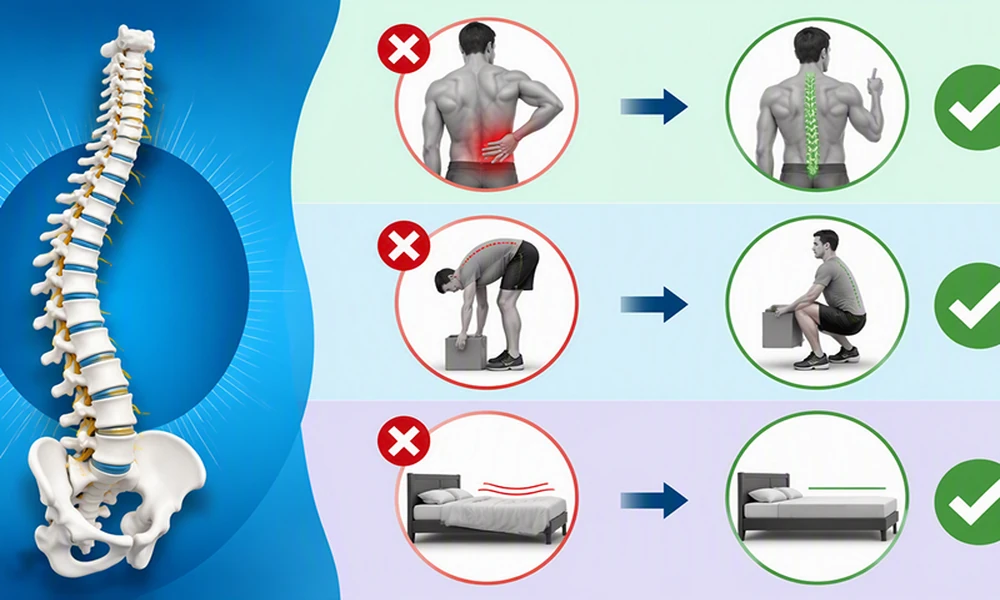
There is a lingering belief that if your back or neck hurts, you should stay horizontal until the storm passes. Science says otherwise. Prolonged inactivity causes your core and spinal support muscles to “shut down,” leaving your discs with even less support. Specialists today prioritize gentle, supervised movement as a pillar of effective cervical radiculopathy treatment. Staying mobile ensures that oxygenated blood reaches the irritated nerve roots, flushing out inflammatory markers that cause pain.
Safe Ways to Keep Moving:
- Short, frequent walks on flat surfaces.
- Nerve “gliding” exercises prescribed by a therapist.
- Gentle range-of-motion stretches for the neck or hips.
2. Surgery Is the Only Way Out
The “S-word” (Surgery) is often the first fear for anyone with a herniated disc. But here is the reality: the body has a remarkable ability to resorb disc material and heal nerve inflammation on its own when given the right environment. A comprehensive radiculopathy treatment plan is usually a multi-modal approach involving physical therapy and targeted medication. Surgery is an outlier, not the standard, reserved only for progressive neurological deficits or pain that fails to respond to months of conservative effort.
| Conservative Approach | Surgical Approach |
| Physical Therapy & Ergonomics | Decompression/Discectomy |
| Anti-inflammatory Medication | Spinal Fusion |
| Lifestyle & Posture Tuning | Reserved for critical cases |
3. The Pain Location Is the Problem
It’s a strange trick of the human anatomy: you feel a burning ache in your forearm or a “deadness” in your thumb, but the culprit is inches away in your neck. This is “referred pain.” For those seeking a cervical radiculopathy treatment, focusing solely on the arm is like trying to fix a flickering lamp by changing the bulb when the problem is a frayed wire at the wall outlet. True healing begins when we address the mechanical compression at the spinal level, allowing the nerves in your extremities to settle down naturally.
4. Pain Management Is the Only Goal
If you only treat the pain, you are just hitting the snooze button on a larger problem. High-level radiculopathy treatment aims for “structural resilience.” This means building an “internal brace”-the deep stabilizer muscles that protect your vertebrae from future wear and tear. We aren’t just looking to get you through the week; we are looking to give you the biological infrastructure to avoid a relapse three years from now.
Frequently Asked Questions
How long does radiculopathy take to heal?
Most patients see significant improvement within 6 to 12 weeks of starting a structured, non-surgical program.
Can stress make nerve pain worse?
Absolutely. Stress increases muscle tension and lowers your pain threshold, which can amplify the “misfiring” signals of a compressed nerve.
Empowerment starts with accurate information. By trading outdated myths for modern medical facts, you can approach your recovery with the proactive energy it requires. Seeking a professional cervical radiculopathy treatment isn’t just about relief-it’s about reclaiming the lifestyle you deserve. Your body is built for resilience, and with evidence-based guidance, you can get back to moving with confidence and strength.
Contact Achieve Spine and Orthopaedic Centre to separate spinal myths from medical facts.
