


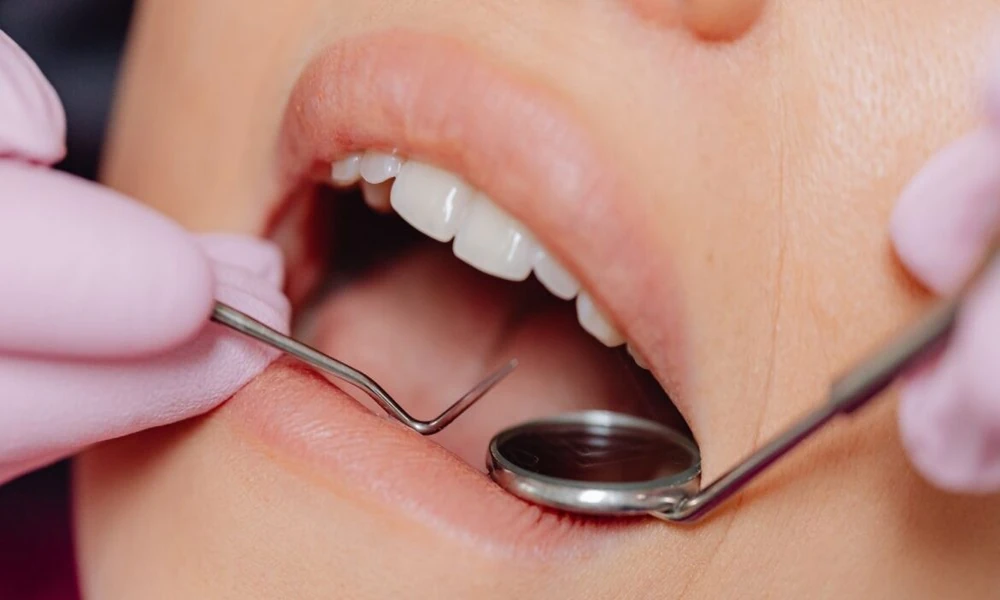
You might already know the feeling. You book one visit for a cleaning, another at a different place for whitening or veneers, and somewhere in between, life gets busy, questions pile up, and your dental care starts to feel more complicated than it should. When your smile goals and your oral health needs are handled in separate offices, it can create extra stress, extra costs, and mixed advice. The good news is that keeping both sides of your care under one roof often makes things simpler, especially when working with Dr. Killian dentist in Carlisle. In many cases, the biggest benefits are better continuity, a clearer treatment plan, and a more comfortable experience from start to finish.
That matters because your smile is not split into neat categories. A tooth that needs a filling may also affect how your smile looks. Gum health can shape whether cosmetic work lasts. According to the CDC’s overview of oral health, oral health is closely tied to overall well being, which means routine care and appearance based care are often more connected than people think.
Why can separate providers make dental care feel harder than it needs to?
At first, using one office for checkups and another for cosmetic work may seem manageable. Then real life happens. Records need to be transferred. X rays may be repeated. One provider may focus on function while the other focuses on appearance, and you are left trying to connect the dots. If you have ever wondered, “Do I fix this cavity first, or can I go ahead with whitening?” you are not alone.
This is where a general and cosmetic dentist can help bring clarity. Preventive care is meant to catch problems early, while cosmetic treatment improves the look of your smile. When one team handles both, they can build a plan that protects your teeth and supports your goals at the same time. Instead of reacting to problems one by one, you get care that feels more coordinated.
So, what are the real benefits?
How does one office create better continuity for preventive and cosmetic dentistry?
The first benefit is continuity. When the same office tracks your cleanings, gum health, fillings, enamel wear, bite pattern, and cosmetic concerns, your treatment plan tends to be more consistent. That can reduce surprises later.
Picture a simple example. You want teeth whitening, but your dentist notices early gum irritation during a routine exam. In a combined office, that issue can be addressed before whitening begins, which helps protect your comfort and your results. In separate offices, that connection may not be made as quickly.
This kind of continuity also supports timing. Cosmetic treatments often work best when your mouth is healthy first. The CDC’s oral health tips for adults stress habits like regular brushing, flossing, and dental visits because prevention lays the groundwork for long term dental success. A single office can keep that foundation in view while planning any cosmetic changes.
Can combining care in one office save time, stress, and money?
The second benefit is efficiency. Even people who care deeply about their smile can put off treatment when scheduling becomes a burden. Separate consultations, duplicate paperwork, and multiple care philosophies can wear you down. When services are combined, appointments are often easier to organize, and that makes follow through more likely.
There can also be financial value. Not every cost is listed on a bill. Time away from work, extra transportation, repeated imaging, and delayed care all add up. If a small issue found during a preventive visit is treated before it turns into a larger cosmetic or restorative problem, you may avoid more expensive work later.
This is one reason many people look for preventive and cosmetic dental care in the same setting. Convenience is not just about comfort. It can help you stay consistent enough to protect both your health and your appearance.
What does a one office approach mean for the look and health of your smile?
The third benefit is balance. Cosmetic dentistry should not ignore oral health, and preventive care should not overlook the emotional value of feeling good about your smile. When one provider handles both, the result is often more natural and more practical.
For example, if you are thinking about veneers, bonding, or whitening, your dentist can look at the full picture. Are there signs of grinding? Is there enamel loss? Are your gums healthy enough for the result you want? Resources from MedlinePlus on dental health highlight how many different issues, from decay to gum disease, can affect your mouth. Cosmetic plans tend to work better when these concerns are part of the conversation from the start.
That is the strength of cosmetic and preventive dentistry together. You are not choosing between health and appearance. You are building both.
How does one dental office compare with split care?
| Care Approach | One Office for Preventive and Cosmetic Care | Separate Offices |
|---|---|---|
| Treatment planning | One team sees the full picture and can sequence care clearly | Advice may feel fragmented or harder to coordinate |
| Time commitment | Fewer calls, less paperwork, and easier scheduling | More appointments and repeated intake steps |
| Cost control | Early issues may be addressed before they affect cosmetic results | Delays or duplicate services can increase total costs |
| Patient comfort | Familiar team and setting can reduce anxiety | New environments may add stress |
| Smile outcomes | Health and appearance are planned together | Cosmetic goals may be treated separately from underlying issues |
What can you do right now if you want simpler dental care?
1. Review your current dental goals. Write down what matters most to you right now. Maybe you want to stay on top of cleanings, fix a chipped tooth, brighten your smile, or replace old dental work. Seeing your goals in one place can help you ask better questions.
2. Ask how the office connects health and appearance. If you are considering a new provider, ask how preventive visits, restorative work, and cosmetic treatment are coordinated. A good dental office should be able to explain the order of care in plain language.
3. Do not wait on small concerns. Sensitivity, bleeding gums, or a minor crack can seem easy to ignore, especially if you are focused on appearance. But small issues can affect cosmetic options later. Taking care of them early usually gives you more choices.
Could one trusted dental office make your next step feel easier?
If dental care has started to feel scattered, that does not mean you are doing anything wrong. It usually means your needs have grown, and your care should grow with them. Bringing preventive and cosmetic services together can make your path clearer, your visits easier, and your results more lasting. If you are ready to explore your options, start by speaking with a dental office that offers both routine care and cosmetic services, and ask how they would build a plan around your health and your smile.
