


Key Highlights
- Healing duration varies significantly depending on the depth of the lesion, the size of the area treated, and the specific removal method utilised.
- Raised mole removal typically requires different technical considerations compared to flat mole removal to ensure a smooth surface finish.
- Session rates are determined by clinical complexity, the number of lesions requiring treatment, and the level of medical expertise involved.
- A professional clinical assessment is mandatory to ensure the lesion is benign before any removal procedure is scheduled.
- Adherence to post-procedure aftercare instructions is critical to support the natural healing process and maintain skin integrity.
Introduction
Moles, also known as nevi, are a common feature of human skin. While the vast majority of these spots are benign, individuals often seek professional medical intervention for their removal due to cosmetic preferences or physical irritation. When considering a procedure, patients frequently focus on two primary questions: how long the healing process will take and how the costs are structured. It is important to approach these questions with a clear understanding of medical reality.
Unlike commodity services, mole removal is a clinical procedure that requires careful assessment, precision, and adherence to established medical standards. At Veritas Medical Aesthetics, we prioritise patient safety and objective clinical results. This guide provides an overview of what you can anticipate regarding recovery timelines and the factors that influence session rates for both raised and flat mole removal.
Understanding the Procedure for Different Mole Types
The approach to removing a lesion is not uniform because the biological nature of the growth dictates the technique required. A flat mole removal often targets pigmented cells situated within the superficial layers of the epidermis. Because these lesions generally lack depth, the procedure is often straightforward, utilising precise energy settings to treat the target area without affecting the surrounding skin architecture.
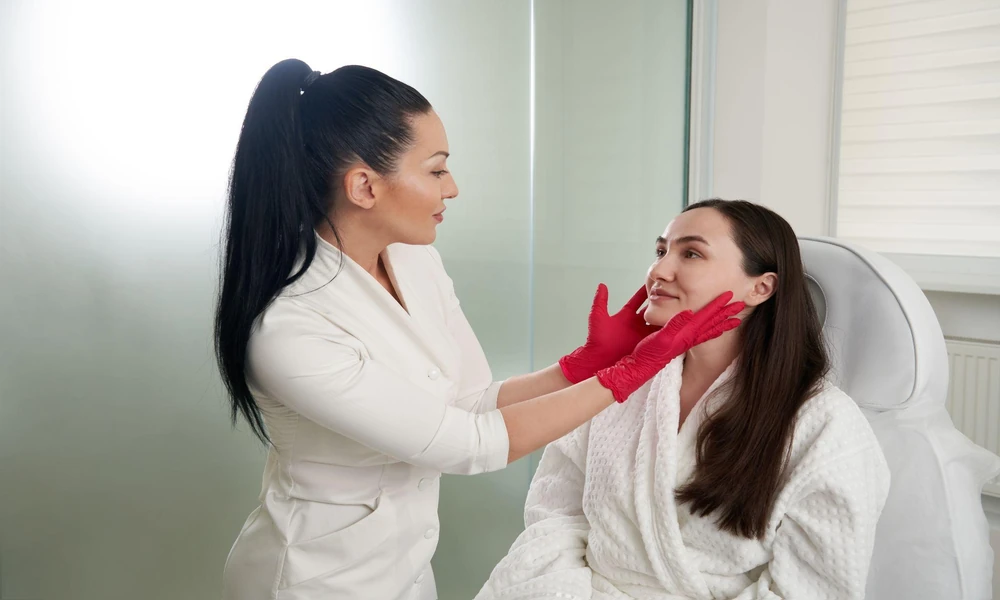
Conversely, the removal of a raised mole involves managing tissue that extends beyond the skin surface. These growths can have deeper roots, sometimes reaching into the dermis. Consequently, the clinical technique must be more nuanced to ensure the lesion is removed in its entirety while preserving the aesthetic continuity of the surrounding skin. During your initial consultation, the practitioner will assess the morphology of the lesion to determine the most appropriate clinical pathway. This distinction between flat and raised structures is the primary factor in planning both the procedure and the subsequent recovery phase.
Factors Influencing Healing Times
Healing is a biological process that cannot be artificially accelerated beyond the body’s natural capacity. After a mole is removed, the skin undergoes a period of regeneration. For superficial lesions, the initial healing phase often involves the formation of a protective scab, which typically resolves within seven to fourteen days. During this time, the area must be kept clean and protected.
The healing timeline for raised mole removal may be slightly extended compared to flat mole removal due to the greater volume of tissue treated. Factors such as the size of the lesion, the patient’s individual skin healing rate, and the specific location of the mole on the face or body influence the duration. Areas with high mobility, such as those near the mouth, or areas subject to constant friction, may require more diligent care to ensure optimal results. It is important to remember that the skin continues to remodel for several weeks or months after the initial wound closure, during which time the area may appear slightly pink or lighter than the surrounding complexion.
Session Rates and Clinical Considerations
In a professional medical aesthetic setting, session rates are not arbitrary. They reflect the expertise of the medical professional, the standard of the equipment used, and the complexity of the specific case. When you consult with a clinic, you are paying for a comprehensive medical service that includes clinical assessment, the procedure itself, and ongoing support.
The pricing structure usually accounts for the number of lesions to be treated and the time required for the clinician to perform the procedure with the necessary precision. Treating multiple moles in a single session may be more efficient than booking separate appointments, but this depends on the complexity of each individual growth. It is helpful to view these rates as an investment in professional care that prioritises your safety and cosmetic outcome. Transparency regarding these costs is a standard practice at Veritas Medical Aesthetics, ensuring patients are fully informed before proceeding.
Post-Procedure Recovery Essentials
The success of any medical procedure is significantly linked to the quality of post-treatment care. Once the mole is removed, the treated area is vulnerable. Ultraviolet radiation is a primary concern during the recovery period. New skin is hypersensitive to sun exposure, and failure to provide adequate protection can lead to hyperpigmentation, which may result in a permanent dark mark.
The consistent application of a broad-spectrum sunscreen and the use of physical barriers, such as hats, are essential during the initial weeks of recovery. Furthermore, patients should avoid picking at the treated area, as this can disrupt the natural healing process and potentially lead to secondary scarring. Adhering to the specific aftercare instructions provided by your clinician is the most effective way to achieve a predictable and satisfactory outcome.
Conclusion
The decision to undergo a procedure to remove a mole is personal and should be based on a clear understanding of the clinical realities. Whether you require treatment for a raised mole or a flat mole, the priority remains the same: a safe, professional, and controlled removal process. By managing expectations regarding healing times and understanding the factors that influence session rates, you can move forward with confidence. Professional medical aesthetics is about more than just the removal of a spot; it is about providing a safe environment where your concerns are addressed with technical proficiency and clinical care. If you are considering these options, a thorough assessment is the logical first step to determine the most suitable approach for your skin.
We invite you to reach out to Veritas Medical Aesthetics for a formal consultation. Our team is ready to provide a clinical assessment and guide you through the process, ensuring you receive professional advice tailored to your specific needs. Contact us today to learn more about our services and schedule your appointment.
